
Irregular Periods: Causes and When to See a Gynecologist
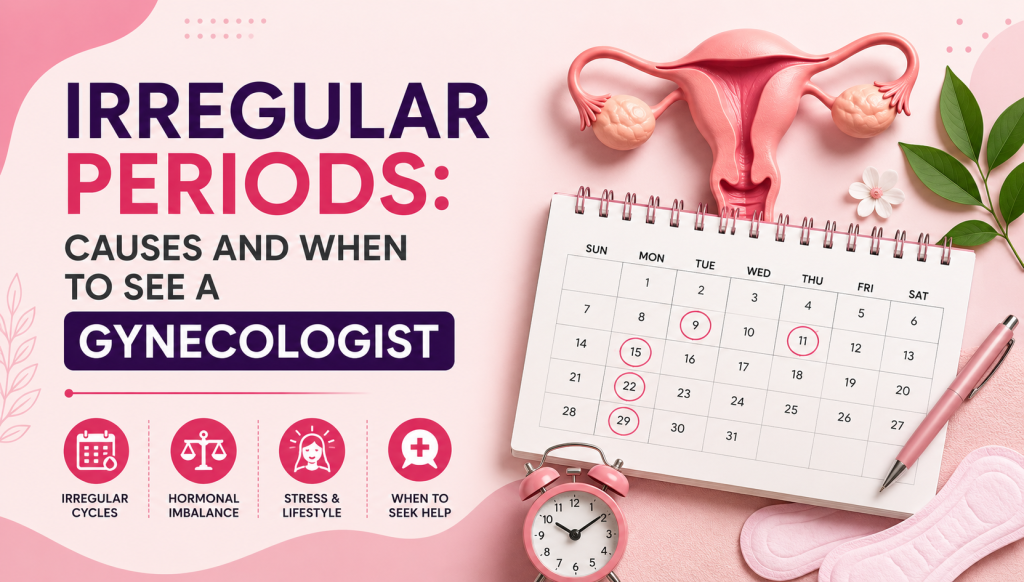
Irregular periods are a common concern among women and can occur at different stages of life. A menstrual cycle may become irregular when periods come earlier or later than expected, last longer or shorter than usual, or occasionally get missed. While occasional changes may not always indicate a serious problem, repeated or persistent irregular periods should be evaluated.
There are several possible causes of irregular periods. Hormonal changes are one of the most common reasons. Conditions such as polycystic ovary syndrome (PCOS) and thyroid disorders can affect ovulation and lead to changes in the menstrual cycle. Stress, significant weight gain or weight loss, excessive exercise, poor sleep, and changes in daily routine can also influence periods.
For some women, irregular periods may be associated with other symptoms such as acne, unwanted facial or body hair, weight changes, pelvic discomfort, unusually heavy bleeding, or difficulty becoming pregnant. Paying attention to these symptoms can help identify when medical advice may be needed.
Common Causes of Irregular Periods
Some common causes include:
- Hormonal fluctuations
- PCOS or PCOD
- Thyroid disorders
- Stress and anxiety
- Significant weight changes
- Excessive physical activity
- Poor sleep or lifestyle changes
- Certain medications
- Pregnancy or breastfeeding
- Perimenopause
The cause can vary from person to person, so it is important not to assume that every irregular period is caused by the same condition.
When Should You See a Gynecologist?
You should consider consulting a gynecologist if your periods remain irregular for several cycles, frequently become very heavy, are associated with severe pain, or stop unexpectedly. Medical evaluation is also important if irregular periods are accompanied by unusual vaginal discharge, bleeding between periods, dizziness, significant pelvic pain, or difficulty conceiving.
A gynecologist may ask about your menstrual history, lifestyle, medications, symptoms, and previous health conditions. Depending on your symptoms, they may recommend an examination, blood tests, ultrasound, or other investigations to understand the underlying cause.
Can Lifestyle Changes Help?
Healthy lifestyle habits may support regular menstrual cycles in some women. Maintaining a balanced diet, getting regular physical activity, managing stress, sleeping adequately, and maintaining a healthy weight can be helpful. However, lifestyle changes should not replace medical evaluation when irregular periods are persistent or associated with concerning symptoms.
Conclusion
Irregular periods can have many possible causes, ranging from temporary lifestyle changes to hormonal or reproductive health conditions. Understanding your menstrual pattern and noticing changes early can help you seek appropriate care. If your periods continue to be irregular or you have other concerning symptoms, consult a qualified gynecologist for proper evaluation and personalized guidance.