Pregnancy After 30: What Every Woman Should Know
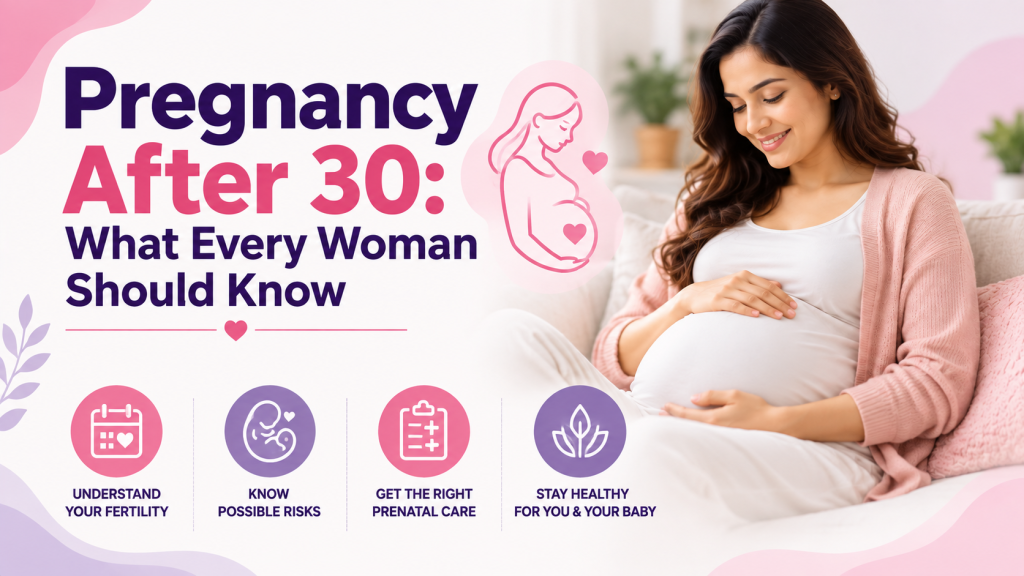
Pregnancy after 30 is common and many women have healthy pregnancies and healthy babies. However, fertility gradually changes with age, and some pregnancy-related risks may increase. Planning ahead and receiving regular prenatal care can help support a healthy pregnancy.
How Does Age Affect Pregnancy?
Female fertility gradually declines with age, particularly after the mid-30s. It may take longer to conceive, and the risk of miscarriage and certain chromosomal conditions increases with maternal age.
This does not mean that pregnancy after 30 is unsafe. Every pregnancy is different, and individual health factors are important.
Common Considerations After 30
Women planning pregnancy may need to pay attention to:
- Fertility and ovulation
- Blood pressure
- Blood sugar levels
- Healthy weight
- Nutrition and physical activity
- Existing medical conditions
- Prenatal screening
Pregnancy Risks After 30
Some complications become more common with increasing maternal age, including gestational diabetes, high blood pressure during pregnancy and certain chromosomal abnormalities.
Your gynecologist can discuss your individual risk factors and recommend appropriate screening during pregnancy.
Planning for Pregnancy After 30
Before trying to conceive, consider scheduling a pre-pregnancy consultation. Your doctor can review your medical history, medications and vaccinations and discuss healthy lifestyle habits.
Taking folic acid before pregnancy, maintaining a balanced diet, exercising regularly, avoiding smoking and alcohol, and maintaining a healthy weight can support pregnancy health.
When Should You See a Gynecologist?
If you are planning pregnancy after 30, a preconception consultation can help you prepare. If you are having difficulty conceiving, speak with a gynecologist about when fertility evaluation may be appropriate.
Conclusion
Pregnancy after 30 can be a healthy experience with appropriate planning and prenatal care. Understanding fertility changes, maintaining good health and attending regular checkups can help you prepare for pregnancy and identify potential concerns early.