
Endometriosis: Symptoms Women Should Not Ignore
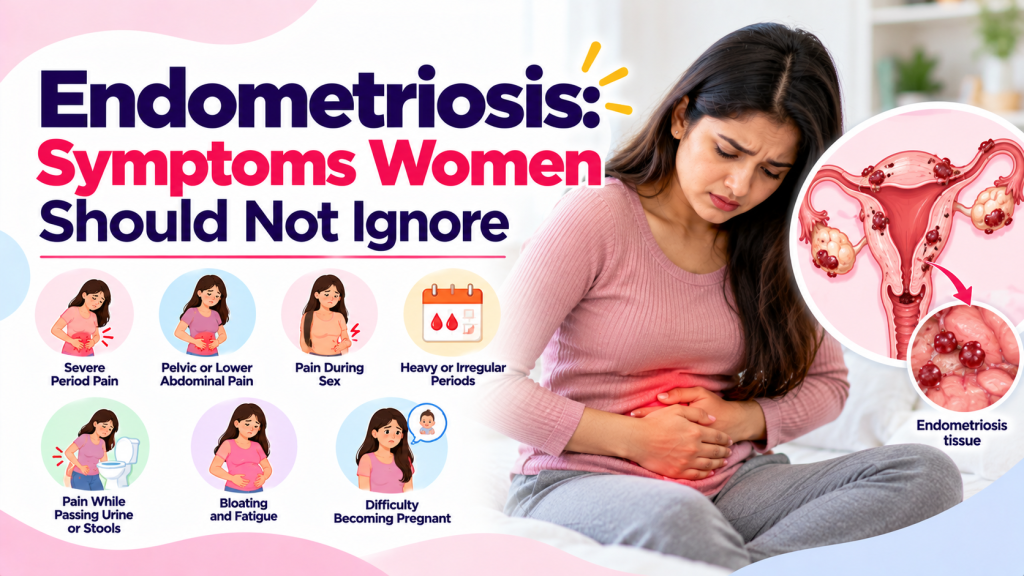
Endometriosis is a condition in which tissue similar to the lining of the uterus grows outside the uterus. It can cause pain, affect daily activities and, in some women, make it harder to become pregnant.
Common Symptoms of Endometriosis
Symptoms can vary, but common signs include:
- Very painful periods
- Pelvic or lower abdominal pain
- Pain during or after sex
- Pain while passing urine or stools, especially around periods
- Heavy or irregular menstrual bleeding
- Bloating and fatigue
- Difficulty becoming pregnant
Pain severity does not always indicate how extensive the condition is, so persistent symptoms should be evaluated.
What Causes Endometriosis?
The exact cause of endometriosis is not fully understood. Several factors may contribute to its development, including genetic, hormonal and immune-related factors.
Endometriosis and Fertility
Endometriosis can sometimes affect fertility by causing inflammation, scar tissue or changes around the reproductive organs. However, many women with endometriosis can become pregnant, either naturally or with appropriate medical support.
How Is Endometriosis Diagnosed?
A gynecologist may review your symptoms and medical history and perform an examination. Depending on your symptoms, an ultrasound or other investigations may be recommended.
Treatment Options
Treatment depends on symptoms, age, fertility plans and overall health. Options may include pain-relieving medicines, hormonal treatments or surgery in selected cases. Your gynecologist can recommend an approach based on your individual needs.
When Should You See a Gynecologist?
Do not ignore severe or persistent period pain, pain during sex, painful bowel movements or urination during periods, or unexplained difficulty becoming pregnant. These symptoms deserve proper medical evaluation.
Conclusion
Endometriosis is a manageable condition, but early evaluation can help identify the cause of persistent pelvic or menstrual pain. If your period pain is affecting your daily life, consult a gynecologist for appropriate assessment and treatment.