
Why Am I Not Getting Pregnant? Common Causes of Infertility
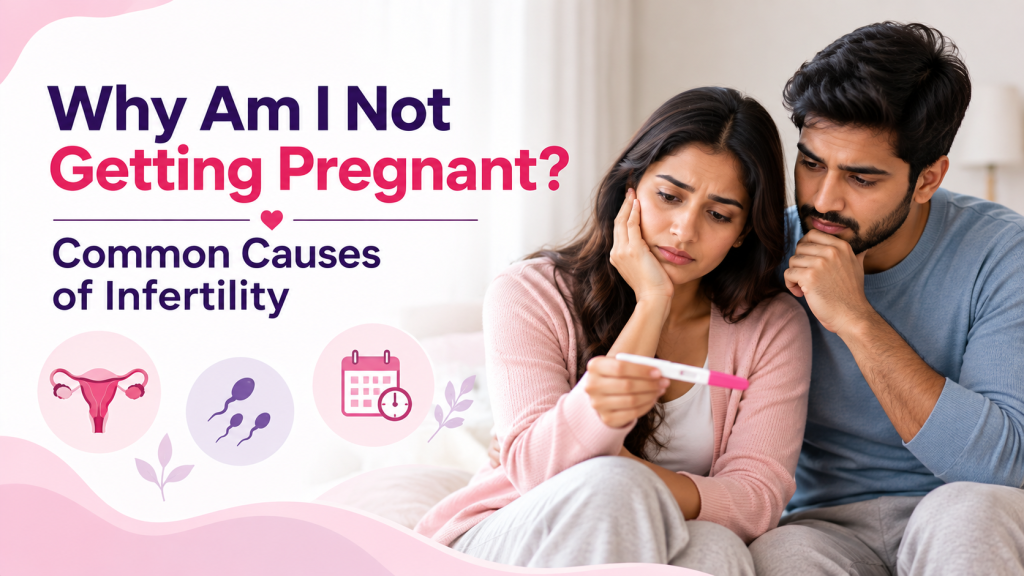
Trying to conceive without success can be emotionally difficult, but fertility problems are common and can affect both women and men. There can be several reasons for difficulty getting pregnant, and identifying the underlying cause can help determine the right treatment.
Common Causes of Infertility in Women
Some common causes include:
- Irregular ovulation: Irregular or absent ovulation can make conception difficult.
- PCOS: Polycystic ovary syndrome can affect ovulation and menstrual cycles.
- Blocked fallopian tubes: Blockages can prevent the egg and sperm from meeting.
- Endometriosis: This condition can affect the reproductive organs and fertility.
- Fibroids or uterine problems: Certain conditions affecting the uterus may interfere with pregnancy.
- Age-related fertility changes: Fertility gradually declines with age, particularly after the mid-30s.
- Hormonal or thyroid problems: Hormonal imbalances can affect ovulation and reproductive health.
Male Infertility
Infertility is not only a woman’s concern. Male factors can contribute to difficulty conceiving. These may include low sperm count, poor sperm movement, abnormal sperm shape, hormonal problems or certain medical conditions.
A semen analysis is commonly used to assess sperm health.
Lifestyle and Other Factors
Smoking, excessive alcohol consumption, significant weight changes, poor sleep and some medications may affect fertility. Maintaining a healthy weight, eating a balanced diet, exercising regularly and avoiding smoking can support reproductive health.
When Should You See a Doctor?
Consider consulting a gynecologist or fertility specialist if you have been trying to conceive without success. Earlier evaluation may be appropriate if you have irregular periods, known reproductive health conditions or other fertility concerns.
Your doctor may recommend tests such as blood tests, ultrasound, ovulation assessment or, when appropriate, a semen analysis for the male partner.
Treatment Options
Treatment depends on the underlying cause. Options may include lifestyle changes, medicines to support ovulation, treatment of conditions such as endometriosis, surgery in selected cases, or assisted reproductive techniques.
Conclusion
Difficulty getting pregnant can have many causes, and it does not necessarily mean that pregnancy is impossible. A proper fertility evaluation can help identify potential problems and guide appropriate treatment. If you are concerned about your fertility, speak with a qualified gynecologist or fertility specialist for personalized advice.